
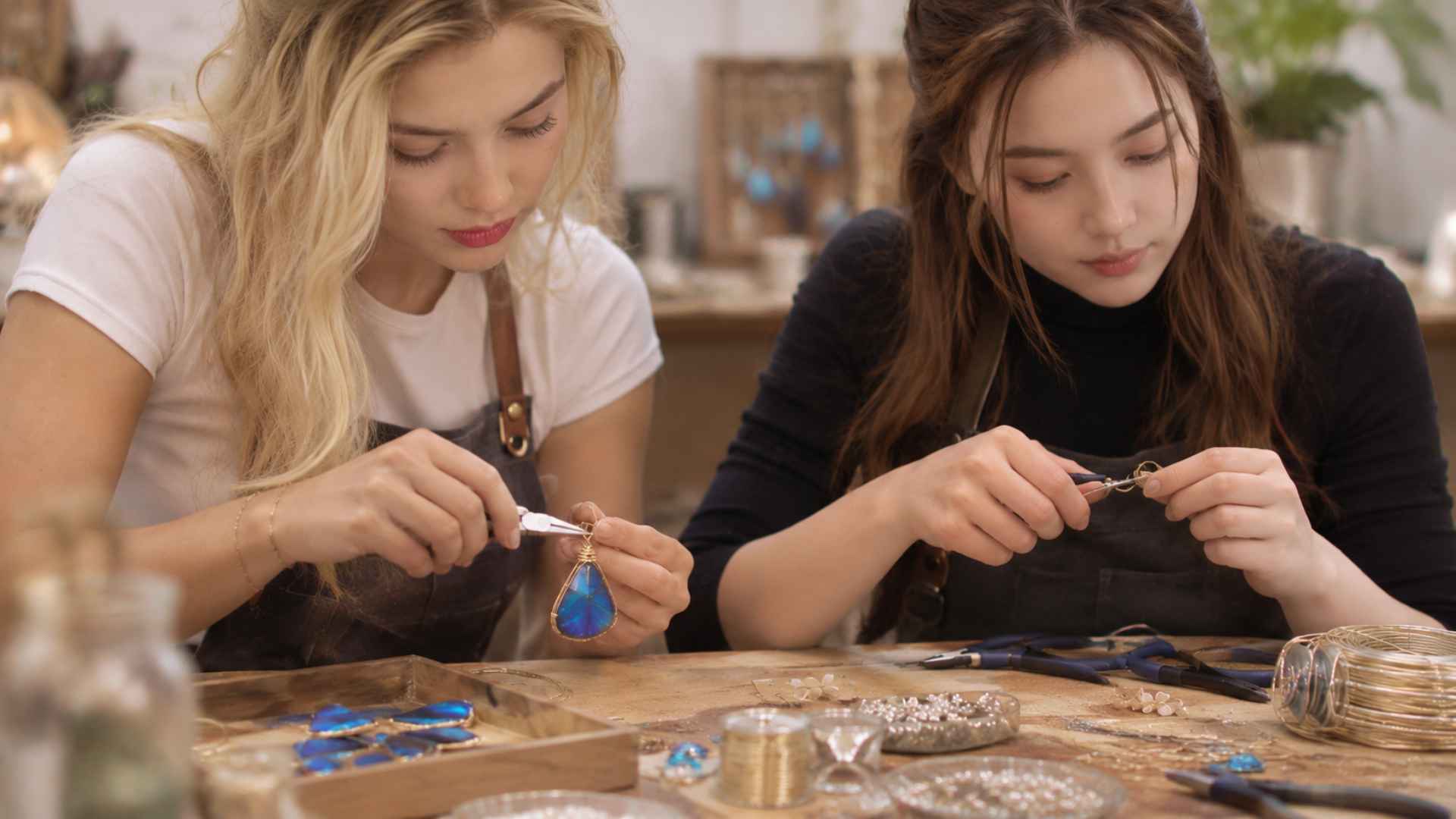
Handmade jewelry has a special appeal because each piece is created through careful work, practical skills, and attention to small details. Unlike mass produced accessories, handmade jewelry often involves individual construction methods that allow makers to control the shape, materials, texture, and final appearance of their creations. From simple wire wrapped pendants to detailed metalwork and beaded designs, different techniques offer different possibilities. Understanding these methods helps jewelry enthusiasts appreciate the effort behind each piece while giving beginners a clearer idea of how handmade accessories are made.
The construction process depends on several factors, including the type of jewelry, the materials being used, and the desired design. Some methods require only basic tools, while others involve specialized equipment and more advanced skills. Whether working with metal, gemstones, beads, leather, or natural materials, each technique has its own purpose. Learning about common handmade jewelry construction methods also makes it easier to recognize quality craftsmanship and understand why certain designs are more durable than others.
Traditional Wire Wrapping Techniques For Handmade Jewelry
Wire wrapping is one of the most accessible methods used in handmade jewelry construction. It involves shaping metal wire around gemstones, beads, or other decorative materials to hold them securely in place. Unlike traditional jewelry settings, wire wrapping does not always require soldering or drilling. Makers use pliers to bend, twist, and loop the wire into different patterns. Copper, sterling silver, gold filled wire, and brass are common choices because they can be shaped into various designs while providing different colors and levels of durability.
One reason this method remains popular is its flexibility. Wire wrapping can create simple pendants, decorative rings, earrings, and bracelets without requiring complicated machinery. The final appearance depends on wire thickness, metal type, and the wrapping pattern. Thicker wire generally provides stronger structural support, while thinner wire works well for detailed decorative elements. Proper tension and consistent wrapping are important because loose connections can allow stones or beads to move. With suitable materials and careful finishing, wire wrapped jewelry can combine an attractive appearance with reliable everyday construction.
Beading And Stringing Methods For Decorative Jewelry
Beading and stringing are widely used techniques for creating necklaces, bracelets, earrings, and other accessories. These methods involve arranging individual beads along a flexible material such as jewelry wire, nylon thread, silk cord, or elastic cord. Beads can be made from glass, wood, ceramic, natural stone, metal, or plastic. Each material offers a different appearance, weight, and texture. Jewelry makers often experiment with bead sizes, colors, and shapes to create balanced patterns or more relaxed designs that highlight the natural differences between individual pieces.
The construction quality of beaded jewelry depends heavily on the stringing material and connection methods. Crimp beads, knots, clasps, and bead tips are commonly used to secure the ends and prevent the design from falling apart. For example, flexible beading wire is suitable for many necklaces because it offers a combination of strength and movement. Silk thread is often selected for traditional knotted gemstone necklaces, where knots between beads help reduce friction and protect the surfaces. Choosing the right stringing material for the bead weight and intended use can significantly improve the durability of the finished accessory.
Metalworking And Soldering Methods In Jewelry Making
Metalworking is an important construction method for handmade jewelry that requires stronger connections and more structured designs. This process involves cutting, shaping, filing, forming, and finishing metal components to create rings, pendants, earrings, and bracelets. Common materials include sterling silver, copper, brass, and gold. Jewelry makers use tools such as metal shears, files, hammers, mandrels, and forming pliers to achieve the desired shapes. Different metals respond differently to pressure and heat, so understanding their properties helps prevent unwanted bending, surface damage, and structural problems during production.
Soldering is another method used to connect separate metal components into a single structure. It involves heating metal surfaces and applying a suitable solder that flows into the joint to create a connection. The process requires appropriate preparation, controlled heat, and compatible materials. Silver soldering, for example, is commonly used in silver jewelry construction to join metal parts such as ring bands and decorative settings. A properly prepared joint helps improve structural strength and creates a cleaner finish. However, soldering requires practice and suitable safety equipment because the process involves high temperatures and potentially hazardous fumes.
Finishing techniques are equally important because they influence both the appearance and usability of handmade metal jewelry. After construction, makers may use filing, sanding, polishing, or texturing to improve the surface. Polishing helps create a smoother and more reflective finish, while hammering can produce decorative patterns and subtle variations in texture. Some metals can also develop a patina through controlled chemical treatments, creating darker areas that highlight engraved details. Before a piece is considered complete, its edges, joints, settings, and connections should be checked carefully. These final steps help ensure that the jewelry looks well made, feels comfortable, and performs as intended during regular use.