
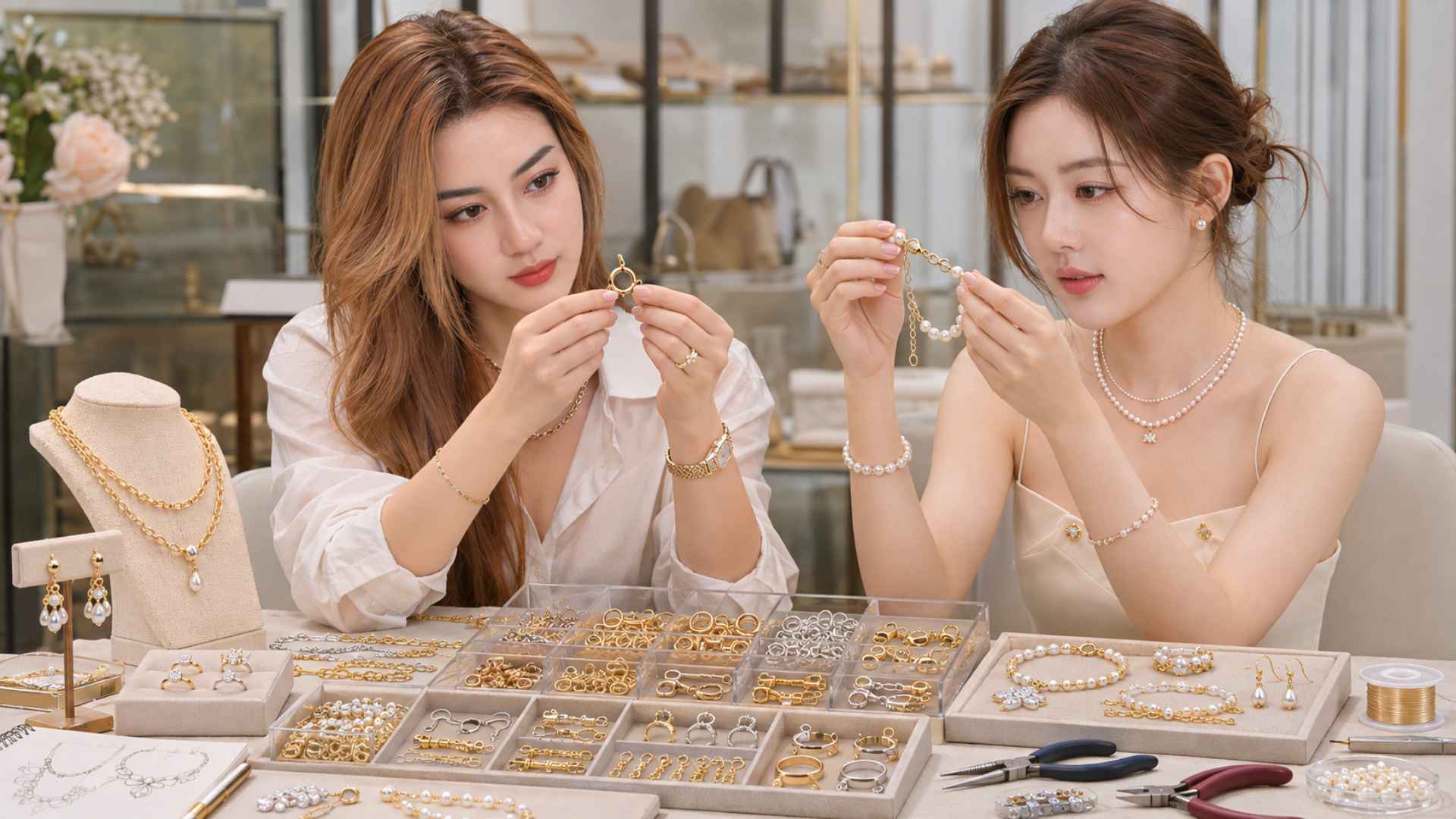
Jewellery findings are small components that play an important role in how jewellery is made, assembled, and worn. Although they are not always the main focus of a design, these parts help connect different elements and make each piece practical for everyday use. From earrings and necklaces to bracelets and rings, findings provide the structure needed to turn separate materials into finished jewellery. They are available in various shapes, sizes, materials, and styles, allowing jewellery makers to choose suitable components for different creative ideas.
Understanding jewellery findings is useful for anyone interested in jewellery design, whether working with handmade accessories or professionally manufactured pieces. Each finding has a specific purpose, and choosing the right one can affect the appearance, comfort, strength, and overall quality of the jewellery. By learning how these components work, it becomes easier to understand why even the smallest details matter in creating beautiful and functional designs.
Common Types of Jewellery Findings Used In Jewellery Making
Jewellery findings come in many different forms, with each type serving a particular purpose. Clasps, jump rings, ear wires, head pins, eye pins, and connectors are among the most commonly used components. Clasps help secure necklaces and bracelets, while jump rings connect chains, charms, and other decorative elements. Ear wires provide the structure needed for dangling earrings, making them comfortable to wear while keeping decorative pieces attached. These findings are available in different designs to suit various jewellery styles and construction methods.
Other findings are used to support beads, gemstones, and decorative details. Head pins and eye pins, for example, allow jewellery makers to create individual bead components that can be connected to chains or other parts. Bead caps add a decorative finish around beads, while crimp beads help secure jewellery wire and maintain its position. Connectors are also useful when combining multiple elements into one design. Although these components may appear simple, they help create neat connections and give finished jewellery a more organised appearance.
How Jewellery Findings Support Different Jewellery Designs
Different jewellery designs require different findings depending on their structure and intended use. Necklace designs often include clasps, extension chains, jump rings, and end connectors to make the piece secure and adjustable. A delicate necklace may use small findings that blend naturally with the chain, while a statement necklace can feature larger connectors that become part of the overall appearance. Bracelet designs also depend on suitable clasps and connecting components, especially when several decorative elements need to stay firmly in place during regular movement.
Earring designs have their own requirements because comfort and balance are important when jewellery is worn close to the ears. Stud earrings commonly use posts and butterfly backs or other suitable earring backs to keep them in position. Drop and chandelier earrings may require ear wires, jump rings, and connectors to support hanging decorations. Meanwhile, rings and other structured jewellery pieces can use settings, bezels, and related components to hold gemstones securely. Selecting appropriate findings helps each design maintain its intended shape while making the jewellery easier and more comfortable to wear.
Choosing The Right Jewellery Findings For Materials And Design Styles
Material selection is an important part of choosing jewellery findings because different metals have different properties. Stainless steel is commonly used for its durability and resistance to corrosion, while sterling silver is popular for its appearance and traditional jewellery making applications. Gold and gold filled findings are also used in designs that require a warmer metallic finish. Brass is another common option, particularly for decorative jewellery components. However, the suitability of each material depends on the design, expected use, finishing quality, and the wearer’s individual sensitivities.
The size and weight of findings should also match the other materials used in a jewellery piece. Heavy connectors can make delicate earrings uncomfortable, while undersized clasps may not provide enough support for larger necklaces or bracelets. Jewellery makers should consider the thickness of chains, the size of jump rings, and the weight of decorative elements before assembling a design. Properly matched components help maintain balance and reduce unnecessary pressure on connecting points. They also contribute to a cleaner finish, allowing decorative materials to stand out without making the construction look complicated.
Another important consideration is the relationship between functionality and appearance. Findings do not always need to remain hidden because some designs use clasps, connectors, and metal details as visible decorative features. For example, a handmade necklace may include an attractive toggle clasp as part of its overall style, while modern geometric earrings can use metal connectors to create interesting shapes. Regardless of the chosen aesthetic, every component should perform its intended function. Checking connections, ensuring clasps close properly, and inspecting metal surfaces can help improve the finished product. With suitable findings, jewellery makers can create designs that combine visual appeal, practical use, and reliable construction.