
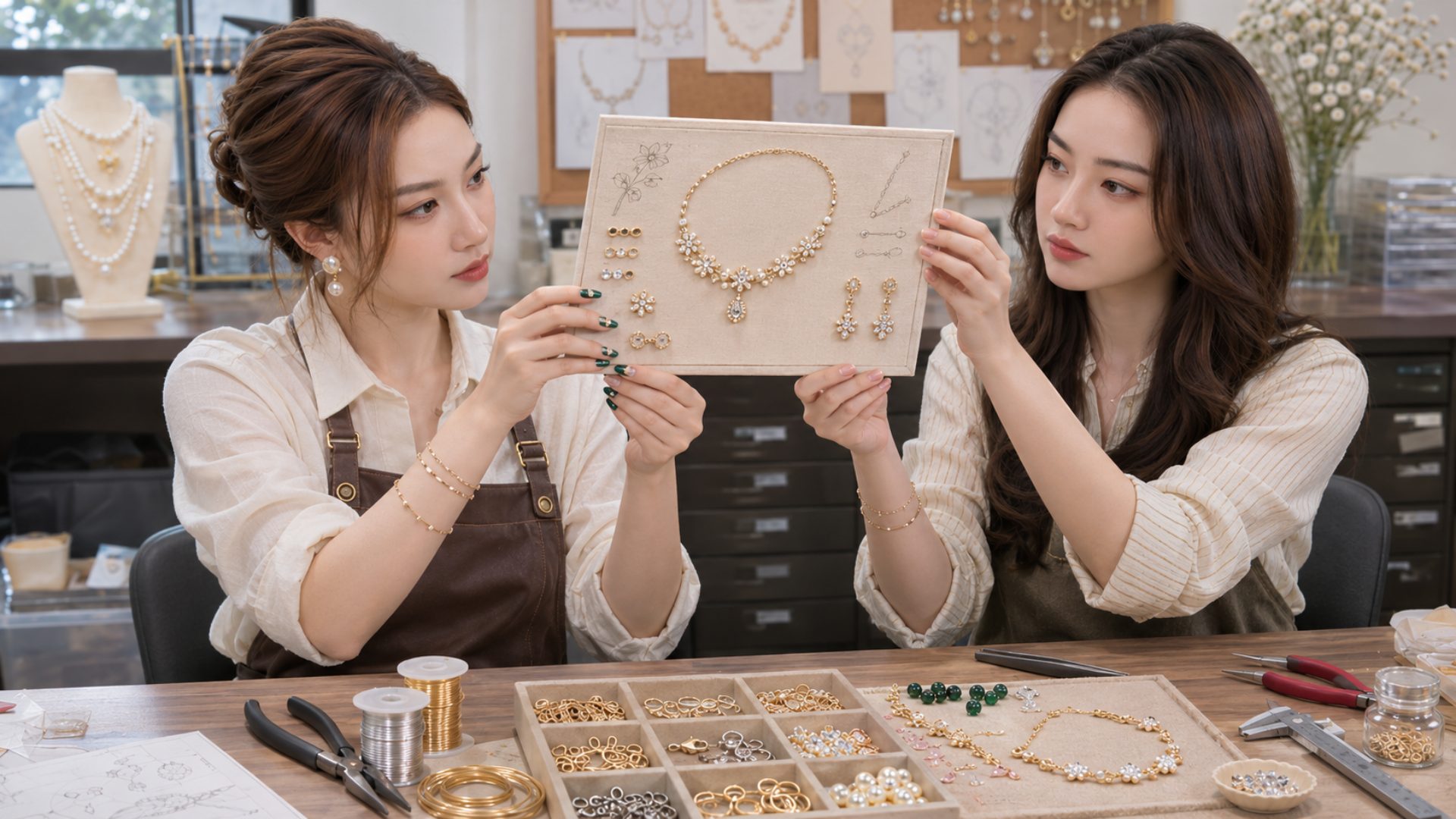
Jewellery design involves more than choosing attractive materials and creating beautiful shapes. Behind every finished necklace, bracelet, ring, or pair of earrings is a combination of small components that help bring the design together. These parts serve different purposes, from connecting individual elements to securing gemstones and making jewellery comfortable to wear. Understanding the components used in jewellery assembly helps explain how each piece is constructed and why certain materials and fittings are selected for specific designs.
Jewellery components are available in different shapes, sizes, materials, and finishes to suit a wide range of styles. Some are mainly functional, while others contribute directly to the overall appearance of a piece. Whether jewellery is made by hand or through larger production processes, selecting suitable components is an important part of achieving a neat, durable, and well balanced result. Each small detail can influence how the finished jewellery looks, feels, and performs during everyday use.
Common Jewellery Components Used In Everyday Assembly
One of the most frequently used jewellery components is the jump ring. This small circular metal ring connects different parts, such as chains, charms, clasps, and pendants. Jump rings are available in open and closed styles, with different diameters and wire thicknesses. Another important component is the clasp, which allows jewellery to be fastened and removed easily. Popular options include lobster clasps, spring ring clasps, toggle clasps, and magnetic clasps. Each type offers a different fastening method depending on the jewellery design and intended use.
Bead caps, end caps, crimp beads, and connectors also play important roles in jewellery assembly. Bead caps are placed around beads to add decorative details, while end caps provide a finished appearance to the ends of cords or chains. Crimp beads are commonly used with beading wire to secure jewellery components in position. Connectors help join several design elements or create decorative arrangements. These small fittings may not always attract attention, but they help keep jewellery organised, connected, and visually consistent.
Materials And Finishes That Influence Jewellery Design
The material used for jewellery components affects their appearance, strength, weight, and maintenance requirements. Stainless steel is widely used because it offers good corrosion resistance and is suitable for many everyday jewellery designs. Sterling silver, which contains 92.5% silver and other metals, is another popular choice due to its attractive finish and workability. Brass is often selected for decorative components because it can be shaped into different forms and finished in various colours. Gold plated components provide a gold coloured surface over a base metal, offering another option for different design styles and budgets.
Finishes also make a noticeable difference to the final appearance of jewellery. Polished components create a smooth, reflective surface, while brushed or matte finishes offer a softer look. Antique finishes add darker details that highlight patterns, textures, and decorative shapes. Gold, silver, rose gold, and gunmetal colours can also help create a consistent appearance throughout a jewellery collection. When choosing finishes, designers should consider how the components will look alongside gemstones, beads, chains, and other materials. Matching these details helps produce a more balanced and coordinated jewellery design.
How Jewellery Components Support Design And Quality
Choosing the correct jewellery components starts with understanding the purpose of each part. For example, a necklace with a heavy pendant requires stronger connecting rings and a suitable clasp compared with a lightweight beaded necklace. Earring findings must also be selected carefully because they need to support the decorative element while remaining comfortable to wear. Common options include ear wires, stud posts, earring backs, and lever back findings. Considering the weight, dimensions, and intended use of each jewellery piece helps prevent unsuitable component choices during assembly.
Proper assembly is equally important for maintaining the quality of finished jewellery. Components should fit together correctly without leaving unnecessary gaps or creating weak connection points. Jump rings need secure closures, crimp beads should hold beading wire firmly, and clasps must operate smoothly. Sharp edges, loose fittings, and poorly finished connections can affect both appearance and comfort. Checking every connection during the assembly process helps reduce common problems and improves the overall reliability of the finished piece. Regular inspection is particularly useful for jewellery intended for frequent wear.
Jewellery components also give designers more flexibility when developing new styles and collections. The same basic findings can be combined with different chains, beads, gemstones, and decorative elements to create completely different designs. A simple connector can become part of a modern necklace, while decorative spacers can add visual interest to a traditional bracelet. By experimenting with component sizes, materials, shapes, and finishes, jewellery makers can develop distinctive combinations without changing the entire assembly process. This approach also makes it easier to adjust designs for different preferences and occasions.