
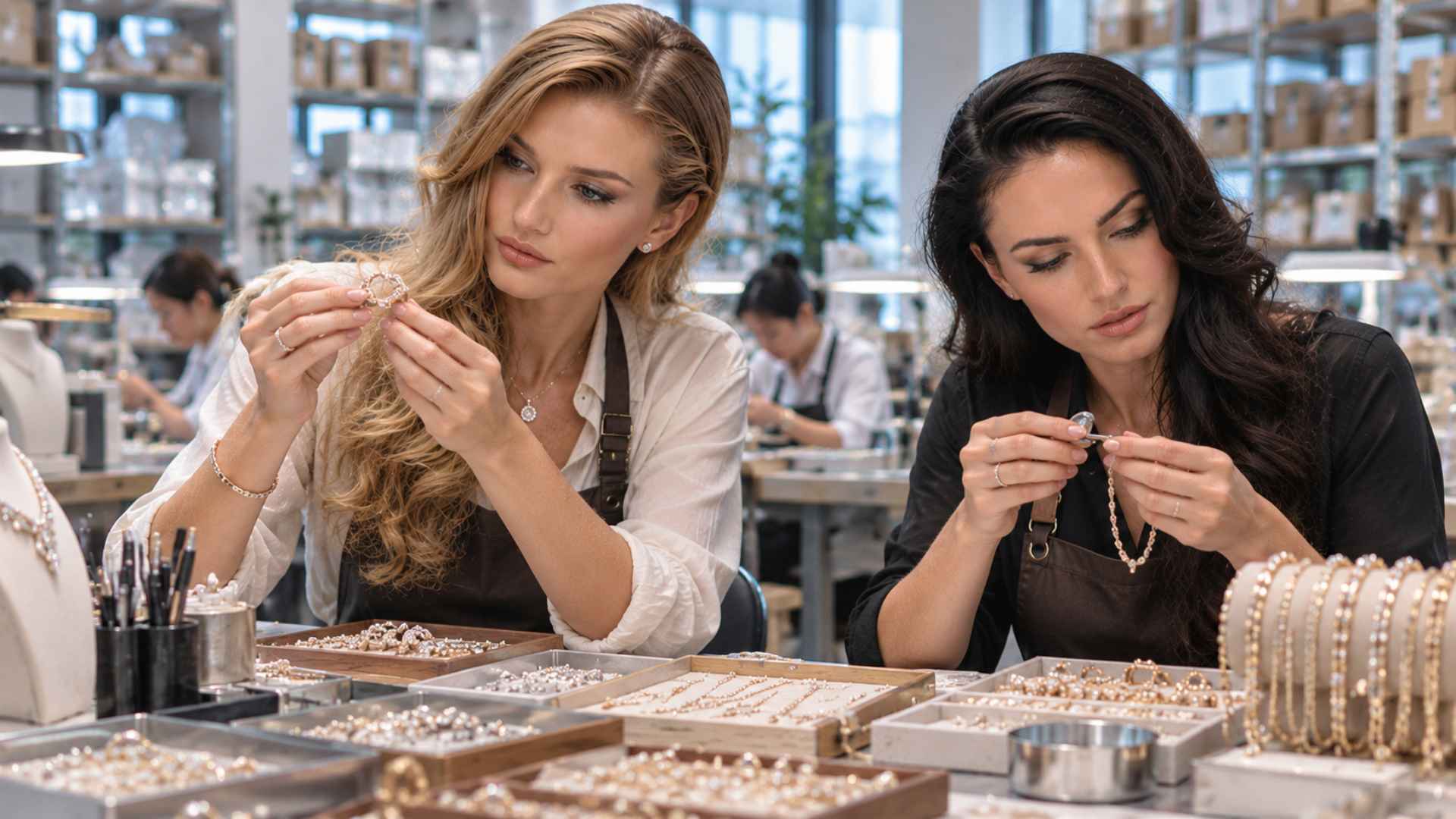
Jewellery has become an essential part of personal style, allowing people to express their personality through simple accessories that complement different outfits and occasions. From delicate necklaces to elegant rings and practical bracelets, the right pieces can add character to everyday clothing without requiring much effort. However, choosing jewellery for regular wear involves more than appearance alone. Durability, comfort, maintenance, and resistance to daily activities all influence whether an accessory remains attractive over time. Understanding these factors helps buyers select pieces that suit their lifestyles and offer lasting value.
When choosing accessories for daily use, the material plays a significant role in determining their performance and appearance. Some metals resist corrosion and scratches better than others, while certain materials are particularly suitable for people with sensitive skin. Temperature changes, exposure to moisture, contact with cosmetics, and frequent movement can also affect jewellery over time. By considering these everyday conditions, shoppers can make informed decisions and avoid materials that require excessive care. The best options combine attractive designs with practical qualities, making it easier to enjoy favourite accessories throughout the day.
Why Material Selection Matters For Everyday Jewellery
Everyday jewellery experiences more frequent contact with skin, clothing, and environmental elements than accessories reserved for special occasions. Rings may rub against hard surfaces, bracelets can come into contact with water, and necklaces may be exposed to perfume or skincare products. These repeated interactions can gradually affect the finish, strength, and overall condition of jewellery. Selecting a suitable material helps reduce common problems such as tarnishing, discolouration, and premature wear. Although no material is completely immune to damage, choosing one that matches daily habits can make a noticeable difference in long-term performance.
Comfort is another important consideration when selecting jewellery for regular use. Accessories worn for several hours should feel lightweight, fit properly, and minimise irritation during movement. People with sensitive skin may benefit from materials that contain little or no nickel, although individual reactions can vary. The intended design also matters because heavier earrings, rigid bracelets, and oversized rings may become uncomfortable during extended wear. By balancing material quality with fit and design, consumers can find jewellery that looks appealing while remaining practical for work, travel, social activities, and everyday routines.
Stainless Steel Offers Durability And Practical Style
Stainless steel is a popular choice for everyday jewellery because it combines strength, a modern appearance, and relatively simple maintenance. Its resistance to rust and corrosion makes it suitable for accessories that encounter occasional moisture or humid conditions. Stainless steel jewellery is also available in a wide range of finishes, from polished silver tones to darker contemporary styles, allowing it to complement casual and formal outfits. While it can still develop scratches, its sturdy construction makes it a practical option for people who prefer accessories that do not require constant attention.
Sterling Silver Balances Elegance And Versatility
Sterling silver remains a favourite material for everyday accessories because of its bright finish, timeless appeal, and versatility. Typically composed of 92.5% silver and 7.5% other metals, it offers greater durability than pure silver while retaining its characteristic appearance. Sterling silver rings, earrings, chains, and pendants can be styled with a variety of clothing choices, making them suitable for different settings. However, silver can tarnish when exposed to air, moisture, and certain chemicals. Regular cleaning and proper storage help preserve its shine, while removing pieces before swimming or using cleaning products can reduce unnecessary exposure.
Gold Provides Lasting Beauty With Different Strengths
Gold is valued for its classic appearance and ability to retain its appeal across changing fashion trends. For everyday jewellery, gold purity is an important consideration because it affects both colour and durability. Higher-karat gold contains more pure gold, which is relatively soft, while lower-karat options include greater proportions of other metals that can improve hardness. Fourteen-karat and eighteen-karat gold are common choices, although their suitability depends on the design, alloy composition, and intended use. Solid gold generally offers greater long-term value than gold-plated alternatives, which may gradually lose their surface coating through frequent friction and exposure.
Titanium Is Lightweight And Comfortable For Daily Wear
Titanium is an attractive option for people who prioritise comfort alongside durability. This lightweight metal provides a strong structure without the heavier feel associated with some traditional jewellery materials. It is also highly resistant to corrosion and is often selected for designs intended to withstand demanding daily routines. Many titanium jewellery options are suitable for people seeking alternatives to certain common metal alloys, although product composition should always be checked when skin sensitivity is a concern. Its understated appearance works well with minimalist rings, bracelets, and necklaces, making titanium a practical choice for those who prefer functional accessories with a contemporary finish.
Platinum Delivers Strength And Premium Quality
Platinum is a premium jewellery material known for its density, durability, and naturally white appearance. It is frequently used in fine jewellery, particularly engagement rings and wedding bands designed for long-term wear. Unlike plated white metals, platinum does not rely on a surface coating to maintain its characteristic colour. Although it can develop scratches and a soft patina over time, many owners appreciate how its appearance changes with use. Its weight and higher price may not suit every preference or budget, but platinum can be an excellent option for people seeking durable, high-quality jewellery for daily wear.
Ceramic Jewellery Combines Modern Design And Scratch Resistance
Ceramic jewellery offers a contemporary alternative to traditional metal accessories, especially for people who prefer smooth surfaces and minimalist designs. High-quality jewellery ceramic is valued for its hardness, colour stability, and resistance to everyday surface scratches. It can maintain a polished appearance with relatively little maintenance and is available in colours such as black and white. However, hardness does not mean that ceramic is unbreakable. A strong impact against a hard surface may cause cracking or chipping, so ceramic rings and bracelets require careful handling. This material works best for wearers who appreciate modern styling and can avoid activities that expose their accessories to heavy impacts.
Leather And Silicone Suit Casual Everyday Accessories
Leather and silicone are practical materials for casual jewellery, particularly bracelets and wrist accessories. Leather provides a natural texture that develops character over time, making it suitable for relaxed outfits and understated personal styling. However, prolonged exposure to water, sweat, and direct sunlight can cause leather to dry out, stiffen, or deteriorate. Silicone offers a different advantage because it is flexible, lightweight, and easy to clean, making it suitable for active lifestyles. The quality of the material and any added components should still be considered, especially for people with sensitive skin. Both options can provide comfortable everyday styling when matched with appropriate care routines.
How To Choose The Right Jewellery Material For Your Lifestyle
Choosing the best material starts with understanding how jewellery will be used throughout the day. Someone working in an office may prioritise elegant designs in sterling silver or gold, while a person with an active routine may prefer lightweight titanium or durable stainless steel. Those who frequently wash their hands or spend time outdoors should consider resistance to moisture and corrosion, while people with sensitive skin should pay attention to alloy composition and potential nickel exposure. Fit, weight, and construction also deserve attention because even a durable material may feel uncomfortable when the design does not suit the wearer.
Proper maintenance is equally important for preserving everyday jewellery, regardless of the material selected. Cleaning accessories according to the manufacturer’s recommendations, storing them separately, and avoiding unnecessary contact with harsh chemicals can help extend their lifespan. Jewellery should also be removed when performing strenuous activities if there is a risk of impact, scratching, or entanglement. Before purchasing a piece, check its material specifications, coating details, and care instructions rather than relying on appearance alone. Ultimately, the most suitable everyday jewellery combines durability, comfort, personal style, and manageable maintenance, allowing each accessory to remain a reliable part of daily life.