
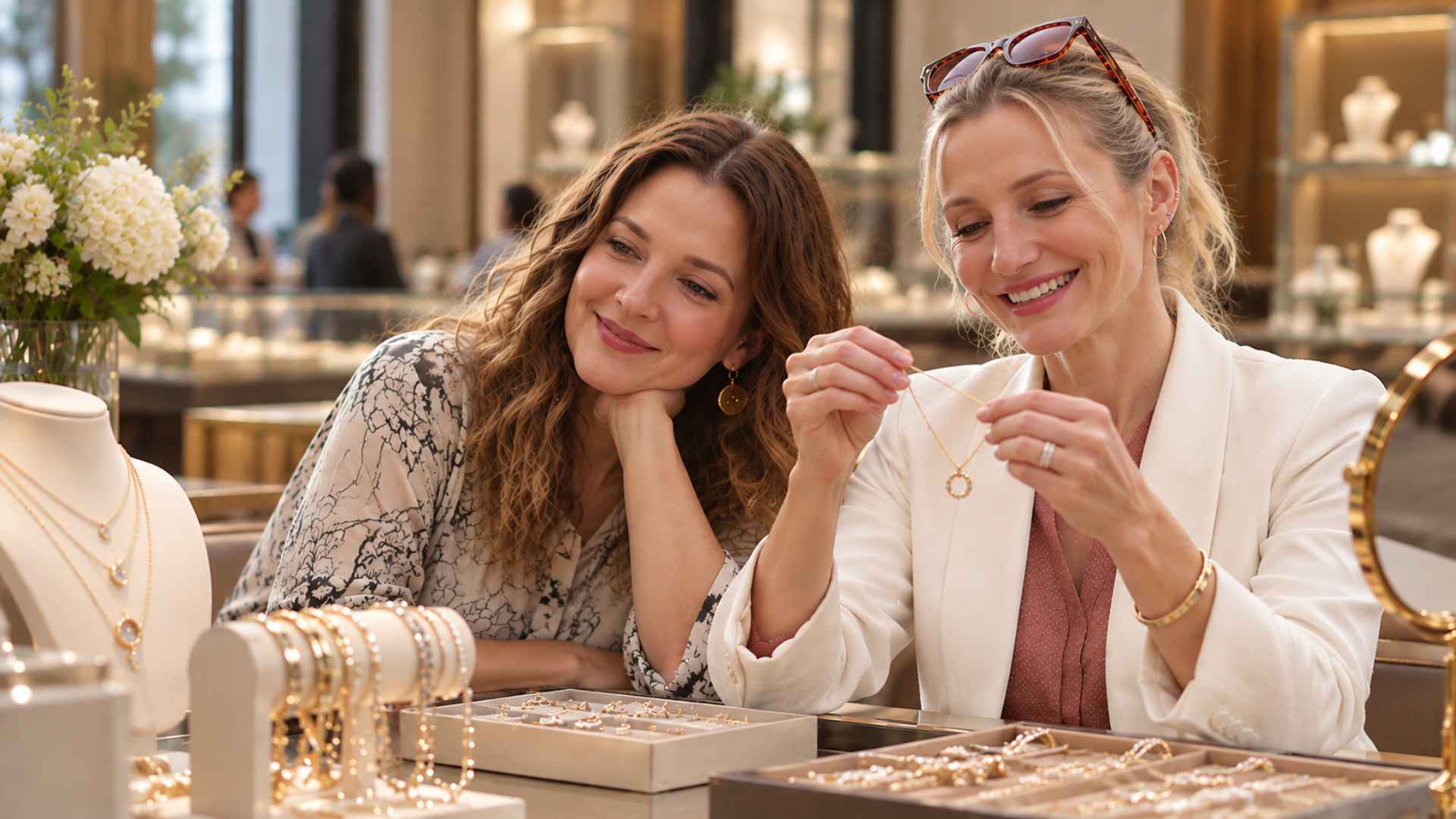
Jewellery has always played an important role in personal style, offering a simple way to express individuality, celebrate meaningful moments, and enhance everyday outfits. From delicate necklaces to elegant rings and practical bracelets, the right accessories can make even the simplest look feel more polished. However, beautiful designs are only part of what makes a piece worth wearing. The materials used to create jewellery also determine its durability, comfort, appearance, and ability to withstand the demands of daily life. Choosing the right combination of aesthetics and performance helps ensure that favourite pieces remain attractive and functional over time.
For people who wear accessories regularly, finding jewellery that balances appearance with long-lasting quality is especially important. Daily activities can expose jewellery to moisture, friction, temperature changes, and accidental impacts, making material selection a crucial consideration. Some metals are valued for their resistance to corrosion, while others offer exceptional hardness or a naturally luxurious finish. Understanding these differences makes it easier to choose pieces that suit individual lifestyles without compromising personal taste. By considering both practical benefits and visual appeal, shoppers can build a versatile jewellery collection that offers lasting value and effortless elegance.
Why Material Quality Matters in Everyday Jewellery
The quality of jewellery materials directly influences how well an accessory performs with regular use. A well-designed piece made from suitable materials is more likely to retain its shape, maintain its finish, and remain comfortable throughout the day. For example, rings and bracelets often experience more physical contact than earrings or pendants, so they benefit from materials that can handle frequent movement and minor impacts. Necklaces may require strong chains and dependable clasps to reduce the risk of accidental breakage. Considering how each accessory will be worn helps buyers make informed decisions and avoid unnecessary replacement costs.
Material quality also affects the overall appearance of jewellery as it ages. Some metals develop small scratches or gradually change colour, while others maintain their original finish with relatively little effort. Skin sensitivity is another important factor, particularly for people who wear earrings, rings, or necklaces for extended periods. Choosing appropriate materials can improve comfort and reduce the likelihood of irritation. Although premium materials may require a higher initial investment, their durability and timeless appearance can make them worthwhile additions to an everyday wardrobe. The best choice ultimately depends on personal preferences, maintenance habits, budget, and intended use.
Popular Metals That Offer Lasting Beauty
Metals remain among the most popular materials for everyday jewellery because they provide a wide range of colours, finishes, and performance characteristics. Gold, sterling silver, stainless steel, and titanium each offer distinct advantages, allowing jewellery makers to create everything from understated minimalist pieces to bold contemporary designs. Their suitability depends on factors such as hardness, corrosion resistance, weight, and the presence of additional alloys. Understanding these properties helps shoppers select accessories that match their daily routines. Rather than choosing jewellery based on appearance alone, buyers can consider how a material will respond to regular wear and how much maintenance it requires.
Natural Materials and Gemstones for Everyday Elegance
Natural materials introduce texture, colour, and individuality to jewellery designs. Gemstones such as sapphires and rubies are known for their impressive hardness, making them suitable options for pieces that receive frequent use when they are securely set. Pearls, meanwhile, offer a softer, classic appearance that complements both casual and formal clothing, although they require more careful handling because they are relatively delicate. Natural materials can vary in structure and resilience, so their beauty should be considered alongside their practical limitations. Selecting appropriate settings and wearing each piece according to its material properties can help preserve its appearance for longer.
Stainless Steel for Practical Everyday Style
Stainless steel is a popular choice for people seeking affordable jewellery with a modern appearance and dependable durability. Its resistance to rust and corrosion makes it suitable for many everyday accessories, including chains, rings, earrings, and watches. The material generally requires minimal maintenance and can retain its polished appearance with simple cleaning. Stainless steel also works well with contemporary designs, from understated geometric pendants to chunky statement bracelets. However, its composition varies between grades, and some pieces may contain nickel, which can trigger reactions in sensitive individuals. Checking the material specifications is therefore important when comfort and skin compatibility are priorities.
Gold and Sterling Silver for Timeless Appeal
Gold and sterling silver remain classic jewellery materials because they combine versatility with enduring visual appeal. Gold is available in different purities and colours, including yellow, white, and rose gold, allowing wearers to choose styles that complement their preferences. Higher-purity gold is generally more resistant to tarnishing but is softer, which can make it less suitable for pieces exposed to frequent impacts. Sterling silver, typically composed of 92.5 percent silver and 7.5 percent other metals, offers a bright finish and broad styling flexibility. It can tarnish over time, but regular cleaning and proper storage help maintain its shine. Gold alloys and sterling silver both provide attractive options when durability, design, and maintenance are considered together.
Titanium for Lightweight Comfort and Strength
Titanium is valued for its excellent strength-to-weight ratio, corrosion resistance, and comfortable feel. Because it is lightweight yet strong, it is especially useful for people who prefer jewellery that does not feel heavy during long days. Titanium rings, earrings, and bracelets can suit active lifestyles while maintaining a clean, contemporary appearance. The metal also has a reputation for good biocompatibility, although individual sensitivities and product composition should still be considered. Its natural grey tone creates a distinctive alternative to traditional precious metals, while its resistance to corrosion helps it remain attractive with appropriate care. For wearers who prioritise comfort and dependable performance, titanium offers an appealing balance of practical function and modern style.
How to Choose and Maintain Durable Jewellery
Choosing durable everyday jewellery begins with matching the material to the way each piece will be used. Rings and bracelets often benefit from tougher materials because they encounter more friction and impact, whereas necklaces and earrings may allow greater flexibility in material selection. People with sensitive skin should check alloy composition and look for jewellery specifically identified as suitable for their needs. It is also worth examining the quality of clasps, chain links, stone settings, and other small components, since these details can affect the lifespan of an otherwise well-made accessory. A balanced approach considers comfort, appearance, construction, and price rather than focusing on a single feature.
Proper maintenance helps preserve both the beauty and strength of jewellery over time. Removing accessories before swimming, exercising, cleaning, or using harsh chemicals can reduce unnecessary exposure to substances that may damage certain finishes or gemstones. After wearing jewellery, gently wiping it with a suitable soft cloth can remove oils and everyday residue. Individual storage also helps prevent scratches, tangling, and contact between materials that require different care routines. Some pieces benefit from professional inspection, particularly rings with gemstones or accessories featuring delicate settings. With thoughtful selection and consistent care, everyday jewellery made from suitable materials can remain a reliable part of a personal style for years, combining attractive design with practical durability.